
Additional Recent Studies, Lectures & Reviews
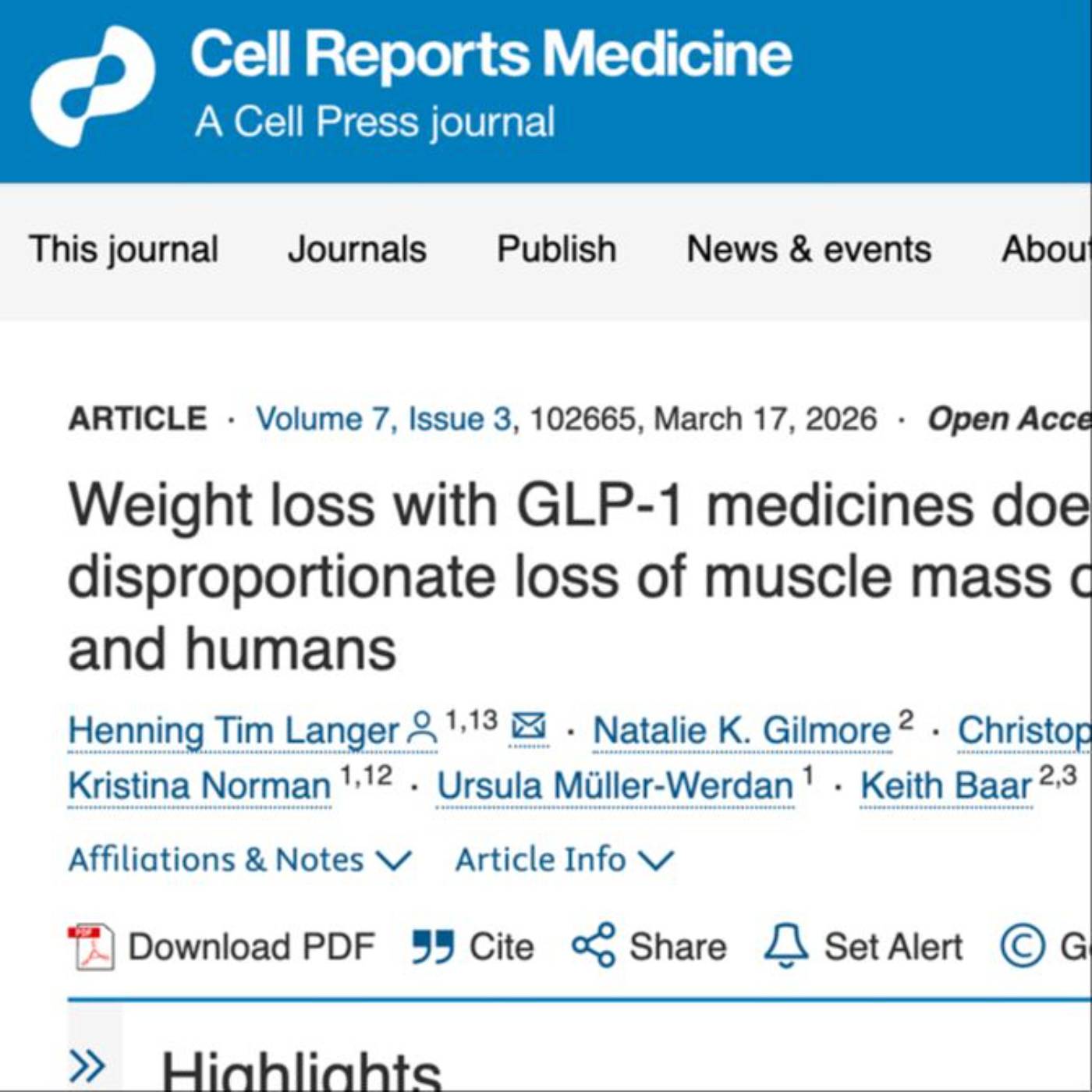
Dr. Bikman’s Research Review #75: Do GLP-1 Drugs Destroy Muscle? The Truth May Be Different (May 4, 2026)
Dr. Bikman reviews a 2026 study challenging concerns that GLP-1 drugs cause significant muscle loss, finding that they primarily reduce fat while largely preserving muscle strength, endurance, and function.
Reference: https://www.cell.com/cell-reports-medicine/fulltext/S2666-3791(26)00082-0
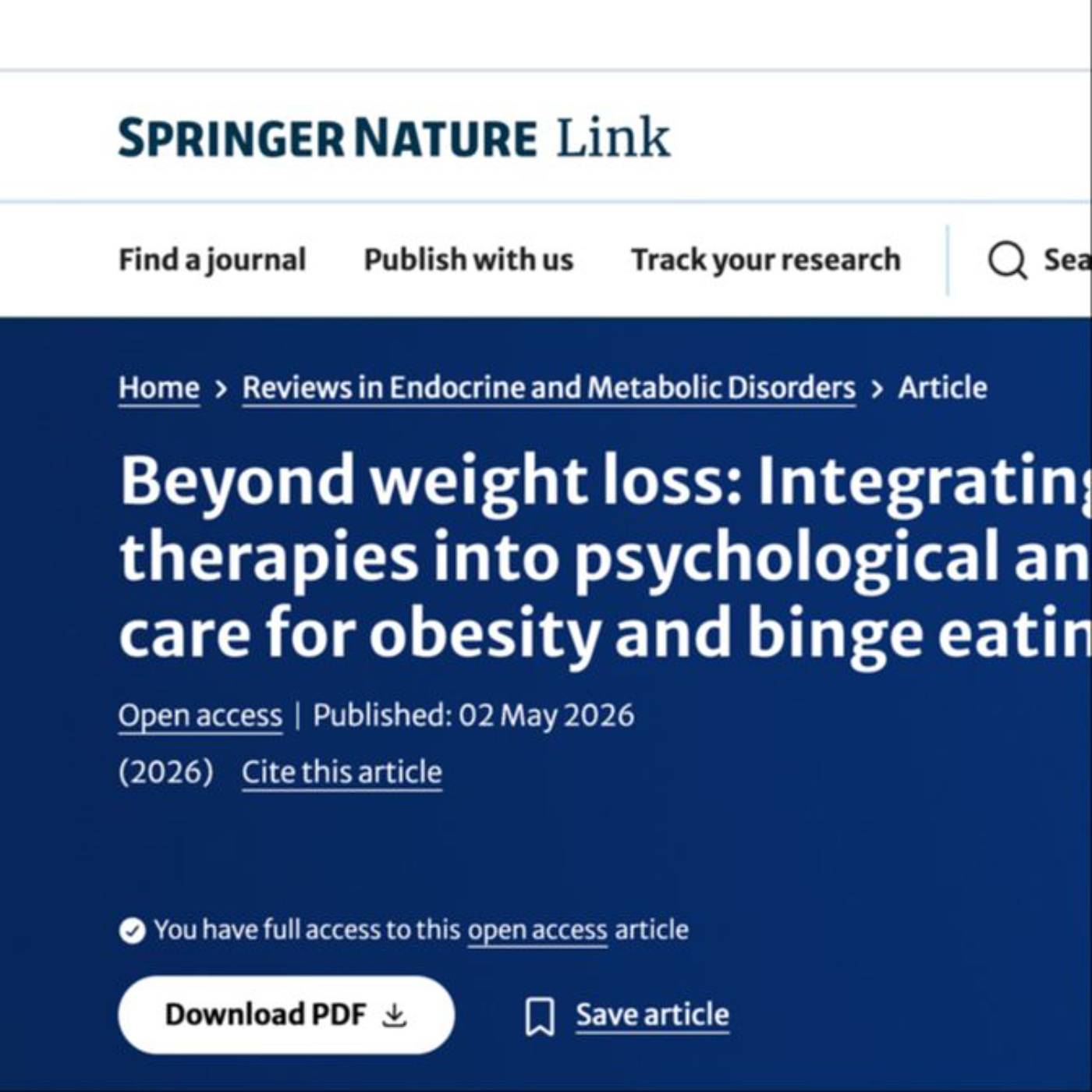
Dr. Bikman’s Research Review #81: GLP-1 Medications and the Psychology of Lasting Change (Jun 15, 2026)
Ben reviews a 2026 paper suggesting that GLP-1 medications can create a temporary window of reduced cravings that should be used to build lasting behavioral and lifestyle habits that can persist after the medication is discontinued.
Reference: https://link.springer.com/article/10.1007/s11154-026-10047-4
Dr. Bikman’s Research Review #84: The Lowest Effective Dose of GLP-1 Therapy (Jul 8, 2026)
Dr. Bikman reviews a 2026 study suggesting that individualized, lower-dose semaglutide may produce substantial weight loss while improving tolerability and reducing the need for automatic escalation to the highest approved dose.
Reference: https://www.nature.com/articles/s41598-026-56147-8
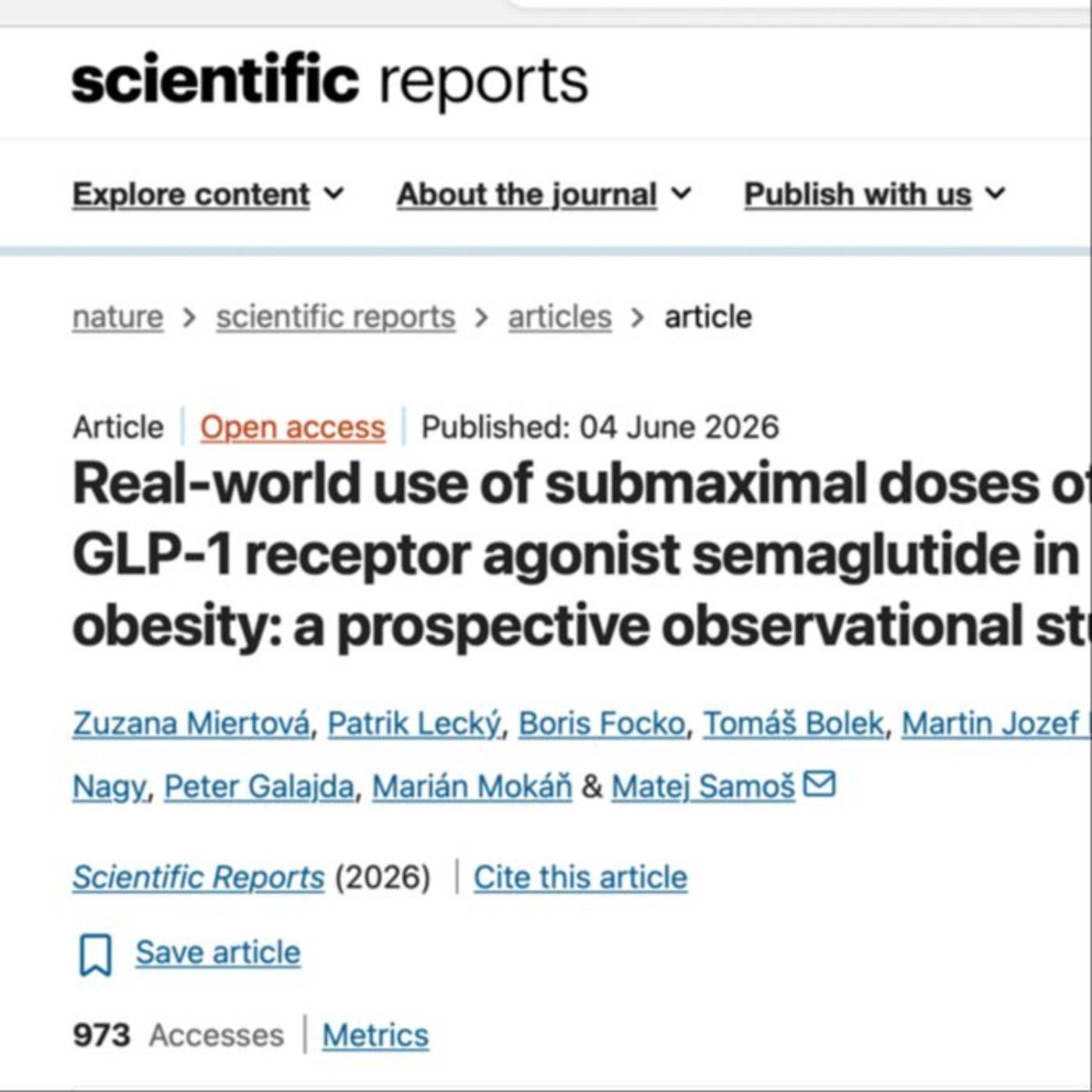
Dr. Bikman’s Research Review #88: What Tirzepatide Reveals About Type 1 Diabetes (Aug 10, 2026)
This 2026 real-world study found that low-dose tirzepatide in adults with type 1 diabetes and obesity produced substantial weight loss, improved blood sugar and cardiovascular markers, and reduced daily insulin requirements by 27%—highlighting insulin resistance as an important and treatable feature of type 1 diabetes.
Reference: https://dom-pubs.pericles-prod.literatumonline.com/doi/10.1111/dom.71080
Why Tirzepatide Works Better Than GLP-1 Alone (May 18, 2026)
Tirzepatide activates both GLP-1 and GIP receptors, producing weight loss primarily through appetite suppression, slower gastric emptying, reduced cravings, and improved insulin sensitivity—not by forcing the pancreas to make more insulin. Dr. Bikman argues that its best use may be as a temporary tool to help people regain control of food choices and lower the insulin-driving habits that caused metabolic dysfunction.
Why Retatrutide May Outperform GLP-1 Drugs (May 25, 2026)
Retatrutide activates GLP-1, GIP, and glucagon receptors, combining appetite suppression with increased energy expenditure and powerful liver fat reduction. Dr. Bikman argues that its best use is not as a permanent shortcut, but as a tool to help people regain control over food habits and eventually reduce reliance on medication.
Why Amylin May Be the Most Important Weight Loss Hormone You've Never Heard Of (June 8, 2026)
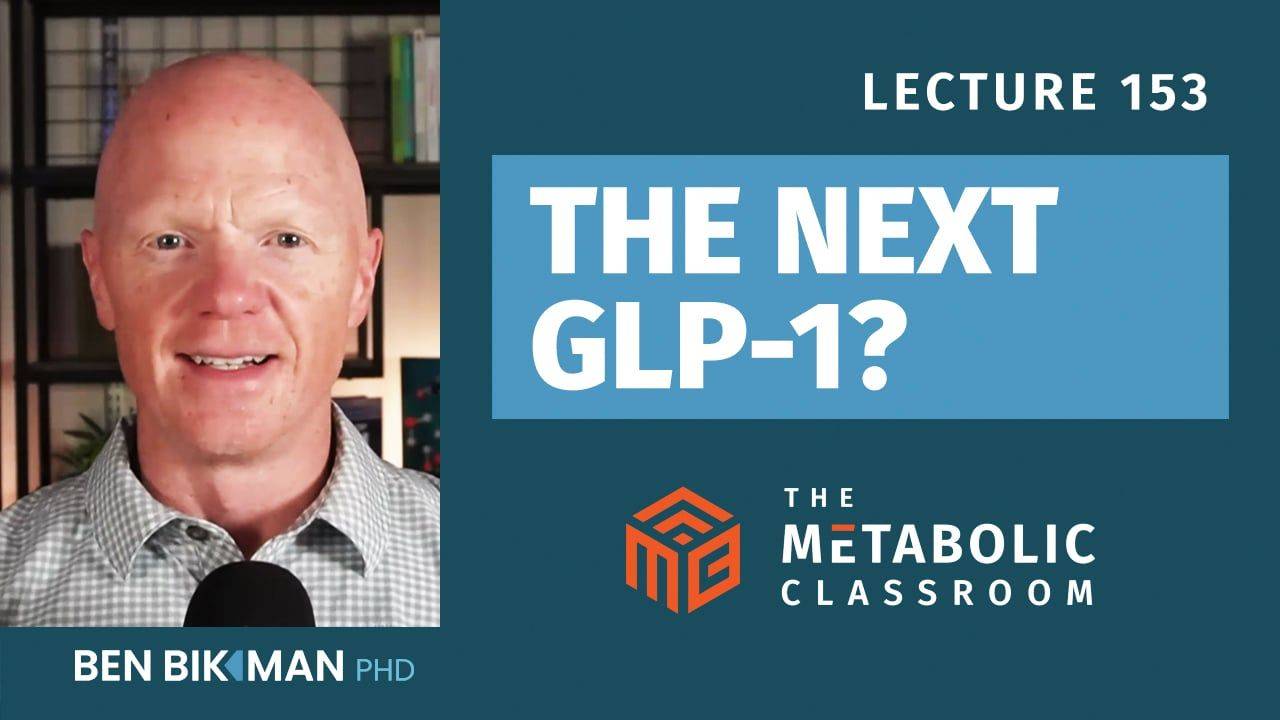
Amylin is an insulin-sparing satiety hormone released with insulin that slows digestion, restrains glucagon, and helps reduce post-meal glucose spikes. New amylin-based therapies, especially when combined with GLP-1 drugs, may offer powerful weight-loss effects by restoring natural fullness signals rather than forcing insulin higher.
The Drugs Aren’t the Only Issue. The Doses Matter.
This is an important distinction because Ben has not simply embraced the conventional way these medications are often prescribed.
In many treatment protocols, patients begin at a standardized dose and are then moved progressively toward larger doses. Ben has consistently questioned the idea that more medication is automatically better.
His preference is much more cautious: use the lowest effective dose, increase only when there is a good reason to do so, and be patient. In many cases, that can mean what is commonly called “microdosing.”
The goal should not be to suppress appetite so dramatically that a person can barely eat. It should be to use only as much medication as necessary to provide metabolic benefit while still allowing adequate nutrition—especially protein—and preserving muscle.
A Medication Is Not a Metabolic-Health Strategy
This may be the most important thing that has not changed in Ben’s thinking.
Insulin resistance still matters. Food quality still matters. Adequate protein still matters. Resistance training and preserving muscle still matter. Sleep, activity, and the behaviors that determine long-term metabolic health still matter.
What has become clearer is the role a GLP-1-based medication might play within that larger strategy.
Ben increasingly sees these medications as tools that can reduce hunger, cravings, and what is sometimes called “food noise,” creating a window in which it may be easier for someone to improve nutrition, protect and build muscle, improve insulin sensitivity, and establish healthier habits.
That is also why Ben does not believe the objective should automatically be to keep increasing the dose—or necessarily to remain on the medication indefinitely. His emerging approach emphasizes using the lowest effective dose, protecting lean mass, and, when appropriate, gradually reducing medication exposure as metabolic health and behavioral habits improve.
For some people, a small maintenance dose may still be appropriate. For others, the ultimate goal may be to discontinue the medication under medical supervision.
The important point is that the medication is a tool within the metabolic-health strategy. It is not the strategy itself.
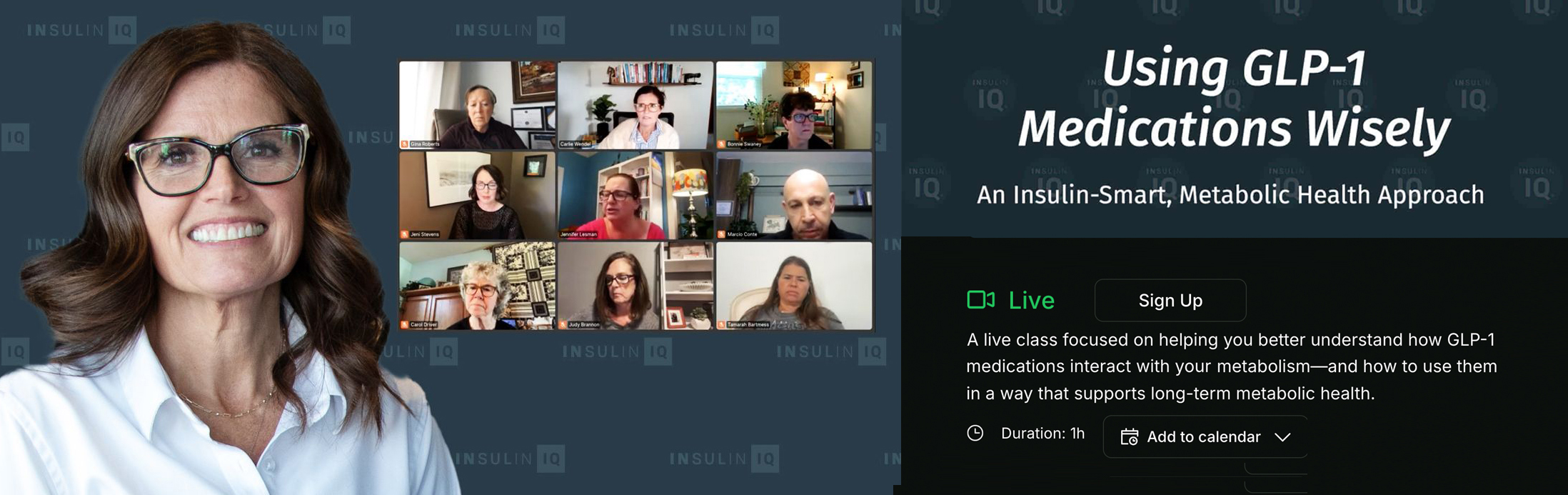
Dr. Bikman’s Relationship With Metabody
Ben now serves as Chief Science Officer for Metabody. Metabody is building an integrated metabolic-health platform designed to provide continuous care rather than episodic doctor visits. It brings together wearable data, labs, medical records, clinical-grade AI, telehealth, prescribing, and eventually in-person clinics so that health signals can be continuously interpreted and acted upon by licensed clinicians. The company is using GLP-1-based care as its initial entry point, with an emphasis on protecting lean mass, improving body composition, and ultimately helping patients maintain results rather than simply remaining on medication indefinitely. Metabody already has a nationwide provider network, approximately 5,000 active members and more than 20,000 patients served. Its long-term vision is a single closed-loop system that continuously turns an individual’s health data into personalized interpretation, clinical action, and measurable outcomes.
Recently, Metabody acquired Bliv, a medical platform that provides GLP-1-based treatment. Ben’s involvement with Bliv exists through that acquisition and his broader role at Metabody. Shortly, Bliv—as a separate entity—will not exist but will become part of the Metabody platform.
It is understandable that the timing might cause some people to wonder whether Ben’s changing perspective on GLP-1-based medications is connected to his involvement with Metabody. But the reality is much more nuanced. Ben had already been discussing ideas with Metabody founder Craig Weston about more thoughtful ways to use GLP-1-based medications—including the possibility of using them in lower-dose “cycles”—well before Metabody acquired Bliv.
For Ben, the larger opportunity with Metabody is not simply about GLP-1-based medications. It is the opportunity to help influence how metabolic healthcare itself evolves.
After spending much of his career studying what is wrong with the way metabolic disease is understood and treated, Ben now has an opportunity to help build something better.
That distinction also helps clarify the different roles of Insulin IQ and Metabody.
Insulin IQ is fundamentally an education platform. Its purpose is to help people understand insulin resistance, nutrition, exercise, metabolic health, and increasingly, how medications such as GLP-1s can be used in an insulin-smart way.
Metabody is building a medical platform. That means putting many of those ideas into the healthcare environment, where clinicians, technology, data, lifestyle interventions, and medications can all be part of the care someone receives.
These are not competing philosophies. In fact, Ben hopes they will increasingly complement one another. And when GLP-1-based medications are part of that medical care, Ben wants to help move the conversation beyond simply prescribing a drug and increasing the dose. His interest remains in how these medications can be used more thoughtfully—alongside nutrition, behavior change, muscle preservation, and the larger goal of improving metabolic health.
So, Has Ben Changed His Mind?
Yes. The evidence changed his view of where GLP-1-based medications may have a legitimate role.
But perhaps the more important evolution is that Ben has developed a clearer view of how these medications can be used wisely.
His emerging approach is not simply to prescribe a drug, continually increase the dose, and measure success by pounds lost. It is to use medication thoughtfully and at the lowest effective dose, while addressing insulin resistance, nutrition, muscle, exercise, and the behaviors necessary for lasting metabolic health—with the goal of reducing reliance on the medication when appropriate.
In that sense, the fundamental principles that have defined Ben’s work for years have not changed. The goal is still better metabolic health—not simply a lower number on the scale.
What has changed is Ben’s understanding of how GLP-1-based medications may sometimes help people get there.
The information on this website is not intended to be a substitute for professional medical advice, diagnosis, or treatment. Always seek the advice of qualified health providers with questions you may have regarding medical conditions.