BLIV + Insulin IQ Metabolic Health Support Program
Your medication is only part of the plan.
Your GLP-1-based medication is a powerful tool. But medication is only one part of improving your metabolic health.
That’s why your BLIV care includes access to the BLIV + Insulin IQ Metabolic Health Support Program—an integrated program of metabolic health education, personalized AI guidance, and ongoing live support designed specifically for people using GLP-1-based medications.
Built on the research and teachings of Dr. Ben Bikman
More Than a Prescription
GLP-1-based medications can help reduce hunger, cravings, and “food noise”—creating an opportunity to make changes that may have been difficult before.
But medication can't teach you what to eat, how to protect muscle, why insulin resistance matters, what to do when challenges arise, or how to build healthier habits that last a lifetime.
That's where your Insulin IQ support comes in.
You don't have to figure everything out on your own. Your BLIV care gives you three complementary kinds of support designed to work together throughout your GLP-1 journey:
Learn. Ask. Connect.
BLIV + Insulin IQ Metabolic Health Support Program
Your medication is only part of the plan.
Your GLP-1-based medication is a powerful tool. But medication is only one part of improving your metabolic health.
That’s why your BLIV care includes access to the BLIV + Insulin IQ Metabolic Health Support Program—an integrated program of metabolic health education, personalized AI guidance, and ongoing live support designed specifically for people using GLP-1-based medications.
Built on the research and teachings of Dr. Ben Bikman
More Than a Prescription
GLP-1-based medications can help reduce hunger, cravings, and “food noise”—creating an opportunity to make changes that may have been difficult before.
But medication can't teach you what to eat, how to protect muscle, why insulin resistance matters, what to do when challenges arise, or how to build healthier habits that last a lifetime.
That's where your Insulin IQ support comes in.
You don't have to figure everything out on your own. Your BLIV care gives you three complementary kinds of support designed to work together throughout your GLP-1 journey:
Learn. Ask. Connect.
Your Metabolic Health Support System
Your BLIV care brings together three kinds of support designed to work together throughout your GLP-1 journey: education, personalized guidance, and ongoing human support.
Learn
Understand what to do—and why it matters.
Follow the Metabolic Health Foundations While Using GLP-1-Based Medications course to understand insulin resistance, nutrition, protein and muscle preservation, movement, fasting, sleep, stress, and the other principles that support better metabolic health.
Ask
Get personalized guidance whenever questions come up.
Use Dr. Bikman’s Digital Mind to ask questions, understand what you’re learning, work through challenges, and apply metabolic health principles to your own life. Digital Mind is also incorporated directly into the Foundations course as an ongoing AI coaching resource.
Connect
Get ongoing support from real people.
Join live GLP-1 Support Meetups with Insulin IQ Certified Coaches and others on a similar journey. There’s plenty of time for live Q&A, so you can ask specific questions and get practical guidance. Can’t attend LIVE? Meetups are recorded so you can easily find the topics and answers that matter to you.
Your Health Support System
Your BLIV care brings together three kinds of support designed to work together throughout your GLP-1 journey: education, personalized guidance, and ongoing human support.
Learn
Understand what to do—and why it matters.
Follow the Metabolic Health Foundations While Using GLP-1-Based Medications course to understand insulin resistance, nutrition, protein and muscle preservation, movement, fasting, sleep, stress, and the other principles that support better metabolic health.
Ask
Get personalized guidance whenever questions come up.
Use Dr. Bikman’s Digital Mind to ask questions, understand what you’re learning, work through challenges, and apply metabolic health principles to your own life. Digital Mind is also incorporated directly into the Foundations course as an ongoing AI coaching resource.
Connect
Get ongoing support from real people.
Join live GLP-1 Support Meetups with Insulin IQ Certified Coaches and others on a similar journey. There’s plenty of time for live Q&A, so you can ask specific questions and get practical guidance. Can’t attend LIVE? Meetups are recorded so you can easily find the topics and answers that matter to you.
A Closer Look at What’s Included
Your BLIV care gives you access to all three of these Insulin IQ resources, each designed to support a different part of your GLP-1 journey.
Learn: Metabolic Health Foundations While Using GLP-1 Medications
Learn what to do—and why it matters.
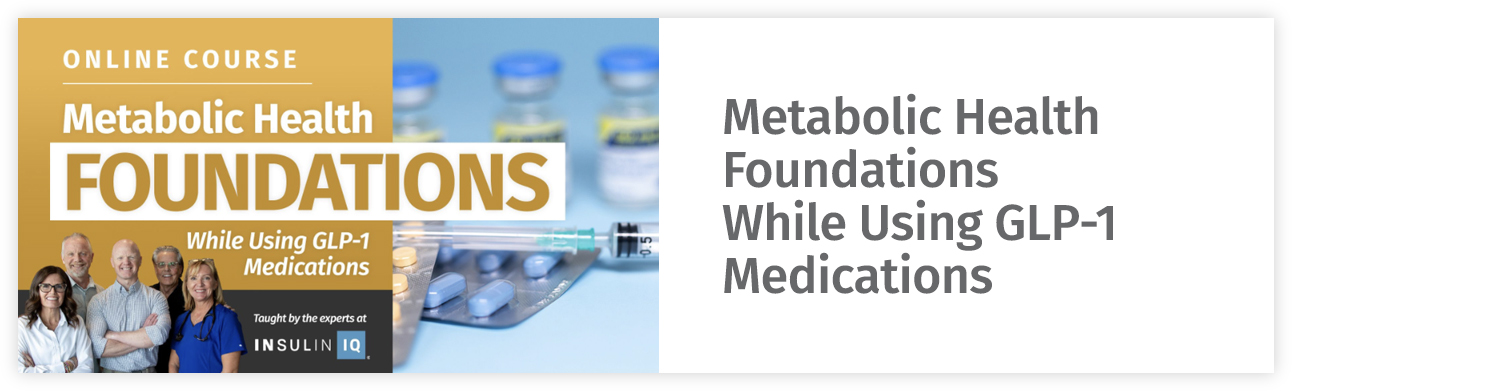
Learn the fundamentals of insulin resistance and metabolic health, with practical guidance on nutrition, protein and muscle preservation, movement, fasting, sleep, stress, and building healthier habits while using GLP-1 medications.
Ask: Dr. Bikman’s Digital Mind
Get personalized guidance whenever questions come up.
Ask questions and get personalized educational guidance grounded in Dr. Bikman’s research and teaching. Digital Mind is also incorporated into the Foundations course and can serve as an ongoing AI coaching resource—helping you apply what you’re learning to your own questions, challenges, and everyday life.
Connect: My Insulin IQ GLP-1 Medications Support Meetups
Get ongoing support from real people.
Join live GLP-1 Support Meetups with Insulin IQ Certified Coaches, with plenty of time to ask your own questions and get practical guidance. Can’t attend live? Every meetup is recorded, with full sessions, shorter topic clips, summaries, transcripts, and more available on demand.
A Closer Look
Your BLIV care gives you access to all three of these Insulin IQ resources, each designed to support a different part of your GLP-1 journey.
Learn: Metabolic Health Foundations While Using GLP-1 Medications
Learn what to do—and why it matters.
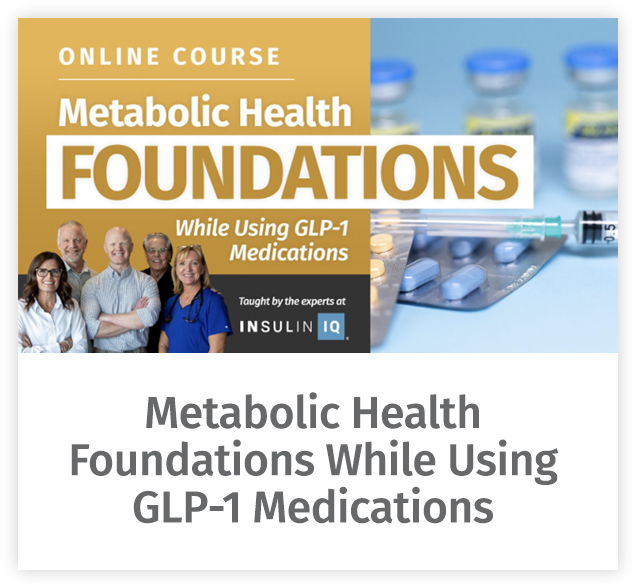
Learn the fundamentals of insulin resistance and metabolic health, with practical guidance on nutrition, protein and muscle preservation, movement, fasting, sleep, stress, and building healthier habits while using GLP-1 medications.
Ask: Dr. Bikman’s Digital Mind
Get personalized guidance whenever questions come up.
Ask questions and get personalized educational guidance grounded in Dr. Bikman’s research and teaching. Digital Mind is also incorporated into the Foundations course and can serve as an ongoing AI coaching resource—helping you apply what you’re learning to your own questions, challenges, and everyday life.
Connect: My Insulin IQ GLP-1 Medications Support Meetups
Get ongoing support from real people.
Join live GLP-1 Support Meetups with Insulin IQ Certified Coaches, with plenty of time to ask your own questions and get practical guidance. Can’t attend live? Every meetup is recorded, with full sessions, shorter topic clips, summaries, transcripts, and more available on demand.
Powerful Support That Goes Beyond a Prescription
The course, Dr. Bikman’s Digital Mind, live GLP-1 Support Meetups, Q&A, and the growing library of recordings and resources are all included as part of your BLIV care.
There’s nothing additional to purchase.
You’ll have access to the complete BLIV + Insulin IQ Metabolic Health Support Program for as long as you are being prescribed your GLP-1-based medication through BLIV.
The Goal Is Better Metabolic Health
Your GLP-1-based medication will help make change easier. The goal of this program is to help you use that opportunity well.
By combining your BLIV medical care with metabolic health education, personalized guidance, and ongoing support, you can work toward something bigger than weight loss alone: better metabolic health and healthier habits that will last.
The information on this website is not intended to be a substitute for professional medical advice, diagnosis, or treatment. Always seek the advice of qualified health providers with questions you may have regarding medical conditions.
Powerful Support That Goes Beyond a Prescription
The course, Dr. Bikman’s Digital Mind, live GLP-1 Support Meetups, Q&A, and the growing library of recordings and resources are all included as part of your BLIV care.
There’s nothing additional to purchase.
You’ll have access to the complete BLIV + Insulin IQ Metabolic Health Support Program for as long as you are being prescribed your GLP-1-based medication through BLIV.
The Goal Is Better Metabolic Health
Your GLP-1-based medication will help make change easier. The goal of this program is to help you use that opportunity well.
By combining your BLIV medical care with metabolic health education, personalized guidance, and ongoing support, you can work toward something bigger than weight loss alone: better metabolic health and healthier habits that will last.
The information on this website is not intended to be a substitute for professional medical advice, diagnosis, or treatment. Always seek the advice of qualified health providers with questions you may have regarding medical conditions.